
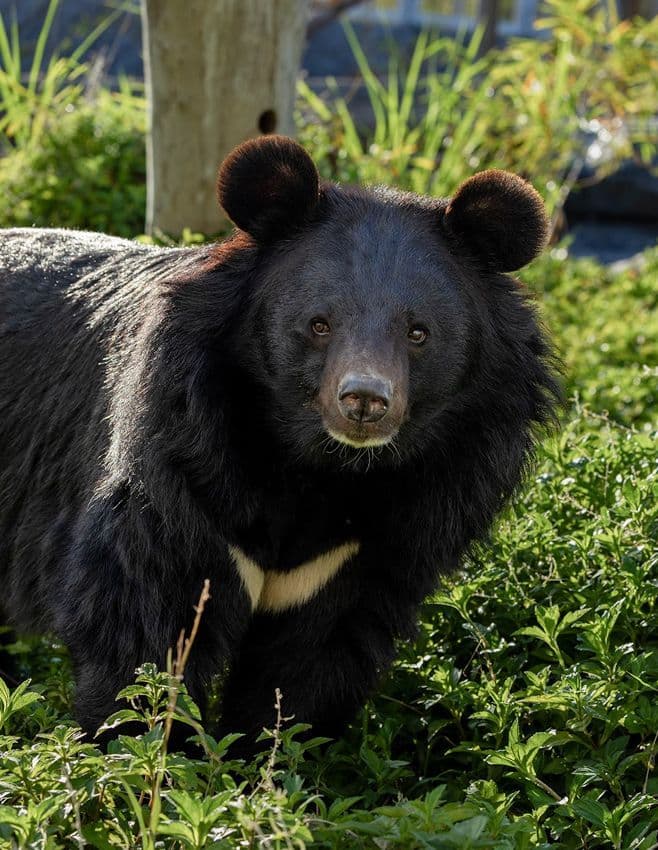
Himalayan Black Bear
Enter the world of the Asian elephant - a sensitive, intelligent and amazing creature of the wild whose footsteps have echoed through the jungles of India and beyond for centuries.
FAMILY
UrsidaeHABITAT
HimalayasIUCN STATUS
Least concern
At a Glance
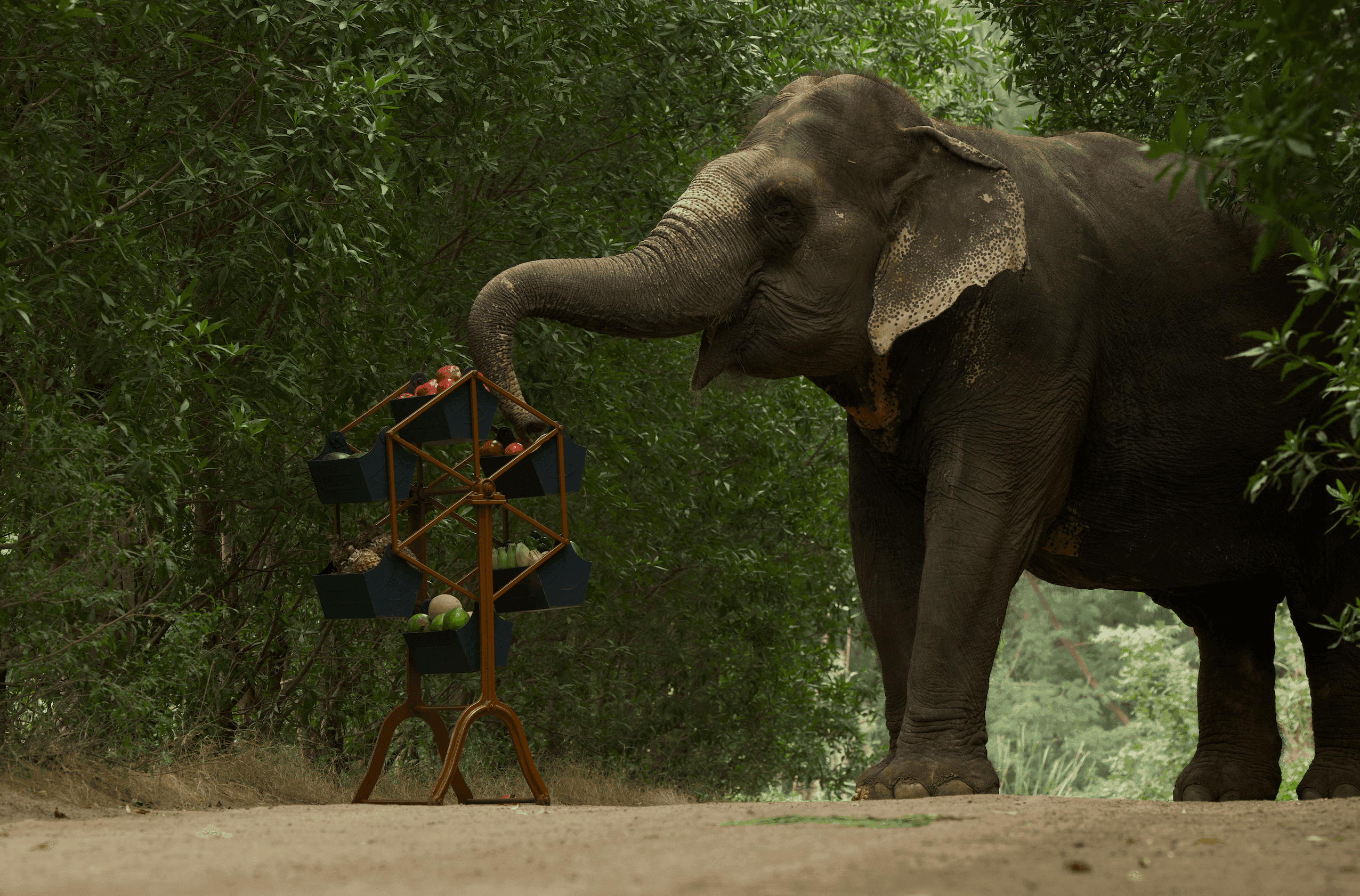
The Asian elephant (Elephas maximus) is one of the three surviving elephant species and the only living member of the genus Elephas. They are smaller than their African cousins, with a more rounded back, smaller ears, and often display distinctive patches of depigmented skin. Revered across many Asian cultures, they hold deep cultural significance and play vital ecological roles. However, their survival is under serious threat due to habitat loss, fragmentation, and increasing human-elephant conflict.
Asian Elephant's DNA Profile
read moreGeographic Distribution & Habitat
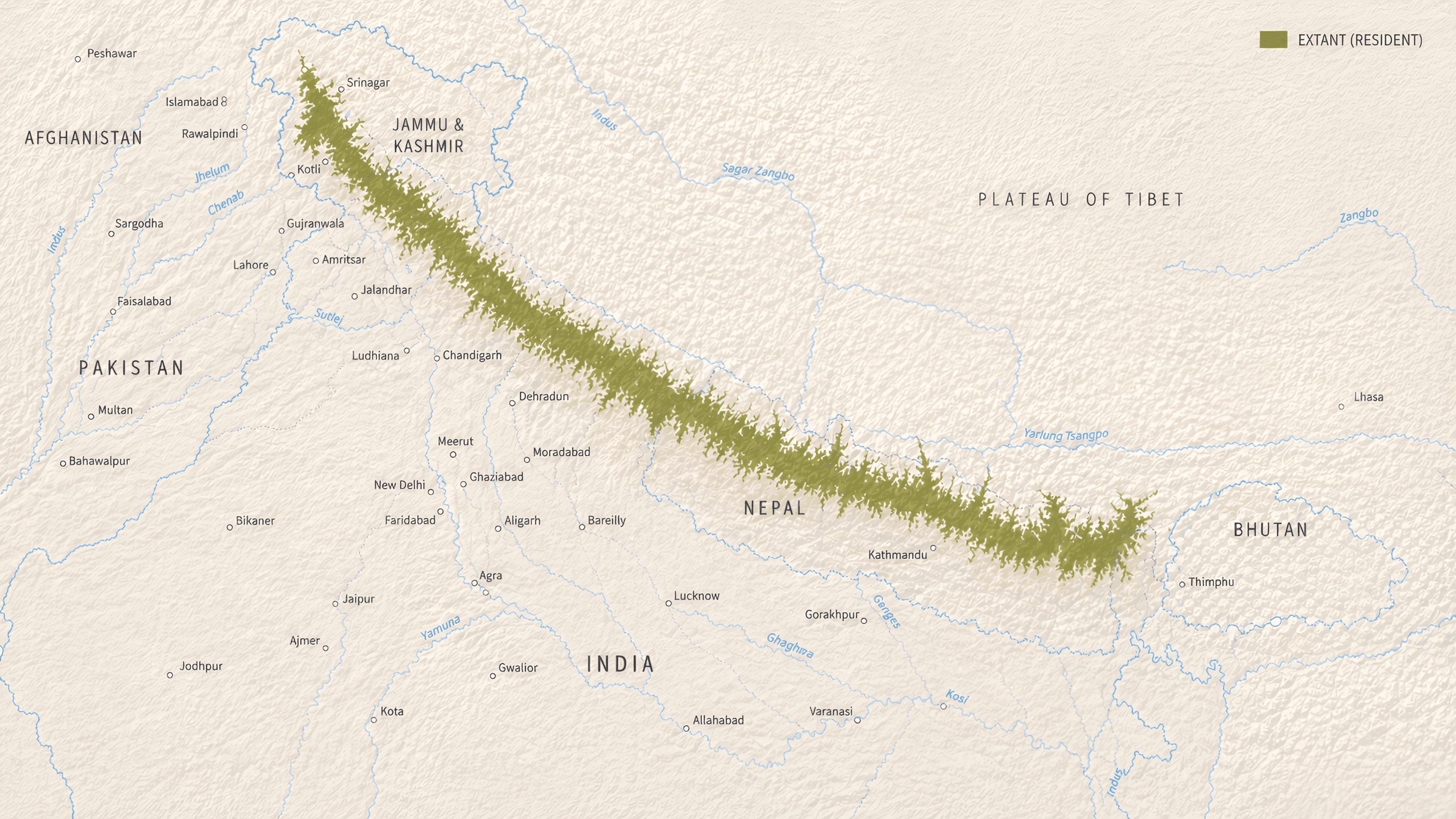
Native to South and Southeast Asia, including India, Sri Lanka, Nepal, Bhutan, Bangladesh, Myanmar, Thailand, Malaysia, Indonesia (Sumatra and Borneo), Laos, Cambodia, and Vietnam.
Inhabit diverse habitats: tropical and subtropical forests, grasslands, and scrublands.
Prefer areas with access to water, as they require frequent drinking and bathing.
Legal Protection
IUCN Status
Least concern
Cites
Appendix I-International trade is prohibited except under exceptional circumstances
Protection
The Asian elephant is listed under Schedule I of the Wildlife (Protection) Act, 1972 (India), granting it the highest level of protection. Hunting, capturing, or trade is strictly prohibited without explicit permission from the Chief Wildlife Warden of the respective state.
Population Status and Threat Dynamics
Population
Approximately 48000 to 52000 wild individuals are estimated according to 2020 census data. Asian elephants are found in 13 countries across South and Southeast Asia and southern China, 80-75% of this global population is found in Bangladesh, Bhutan, India, Nepal and Sri Lanka. The remaining populations are found in the eight range countries in Southeast Asia and China.
Threats
- Habitat loss and fragmentation from agriculture, urbanization, and infrastructure development.
- Human-elephant conflict, causing injury and death on both sides.
- Poaching for ivory, skin, and other body parts, although less intense than in Africa.
- Illegal capture and trade of wild elephants for tourism and entertainment.
- Many populations are small and isolated, suffering from reduced genetic diversity.
Taxonomy
Rank
Classification
Kingdom
Animalia
Class
Mammalia
Phylum
Chordata
Family
Elephantidae
Order
Proboscidea
Species
Elephas maximus
Genius
Elephas
Subspecies
E. m. maximus (Indian elephant), E. m. indicus (Sri Lankan), E. m. sumatranus (Sumatran), E. m. borneensis (Bornean)
Physical Identification
Asian elephants can be distinguished by the following characteristics
Ears
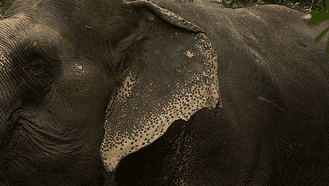
Smaller than those of African elephants, often said to resemble the shape of the Indian subcontinent.
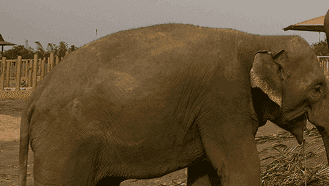
Back and Head
A convex or level back with a prominent domed forehead.

Skin
Typically dark grey to brown with areas of depigmentation, especially visible on the ears, face, and trunk.
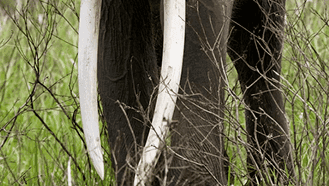
Trunk
Features a single finger-like projection at the tip, in contrast to the two found in African elephants.
Behaviour & Daily Activity
Asian elephants live in matriarchal groups—herds composed of related females and their calves.
Adult males are mostly solitary or form loose bachelor groups.
Communication involves vocalizations (including infrasonic sounds), tactile signals, chemical cues, and body postures.
Elephants demonstrate complex behaviors such as cooperation, empathy, problem-solving, and mourning.
Primarily diurnal, though they may be nocturnal in areas with high human disturbance.
Daily movement ranges from 5 to 20 km.
Vocalizations and Acoustic Communication
Asian elephants are highly social and intelligent mammals that rely on a diverse range of vocal and non-vocal sounds to communicate. These acoustic signals play a vital role in maintaining social cohesion, coordinating group movements, signalling alarm or distress, conveying emotional states, and facilitating long-distance interactions.
Notably, elephants produce infrasonic vocalizations—low-frequency sounds below 20 Hz—that can travel up to 10 kilometres, enabling communication across vast landscapes. Young calves develop their vocal repertoire by imitating adult elephants, gradually acquiring the complex acoustic cues used within the herd.
Trumpet: Loud, high-pitched sound during excitement or warning 00:0000:00Rumble: Deep, low-frequency sound for long-distance communication 00:0000:00Roar: Aggressive or distressed call 00:0000:00
Ecological and Biological Characteristics
Ecological and Biological Characteristics





Conservation & Management
Project Elephant
Project Elephant, launched by the Government of India in 1991–92 as a Centrally Sponsored Scheme under the Ministry of Environment, Forest and Climate Change, aims to support elephant range states through financial and technical assistance for the protection of elephants, conservation of their habitats and corridors, mitigation of human-elephant conflict, and promotion of captive elephant welfare.
The International Elephant Foundation
The International Elephant Foundation (IEF) is a non-profit organization dedicated to the conservation of both African and Asian elephants. It focuses on supporting and operating elephant conservation and education programs in managed facilities and the wild, with an emphasis on management, protection, and scientific research. The IEF was founded in 1999 by elephant care experts.
Elephant management
Captive elephant management is regulated, but challenges remain in welfare and sustainable population management.
Clinical Reference Values
Physical Parameters
Body temperature
35.9–36.9°C
Heart rate
25–40 bpm
Pulse rate
25–40 bpm
Mucous membrane colour
Pink
Physiological Parameters
Parameter | Average range | Unit |
|---|---|---|
| RBC (Red Blood Cell count) | 1.9-3.2 | x 106 cell/μL |
| Haematocrit | -- | -- |
| Haemoglobin | 9.8-15.6 | g/dL |
| MCV (Mean Corpuscular Volume) | 104-127 | fl |
| MCH (Mean Corpuscular Haemoglobin) | 39.3-62.39 | pg/cell |
Interesting Facts

Incredible Memory
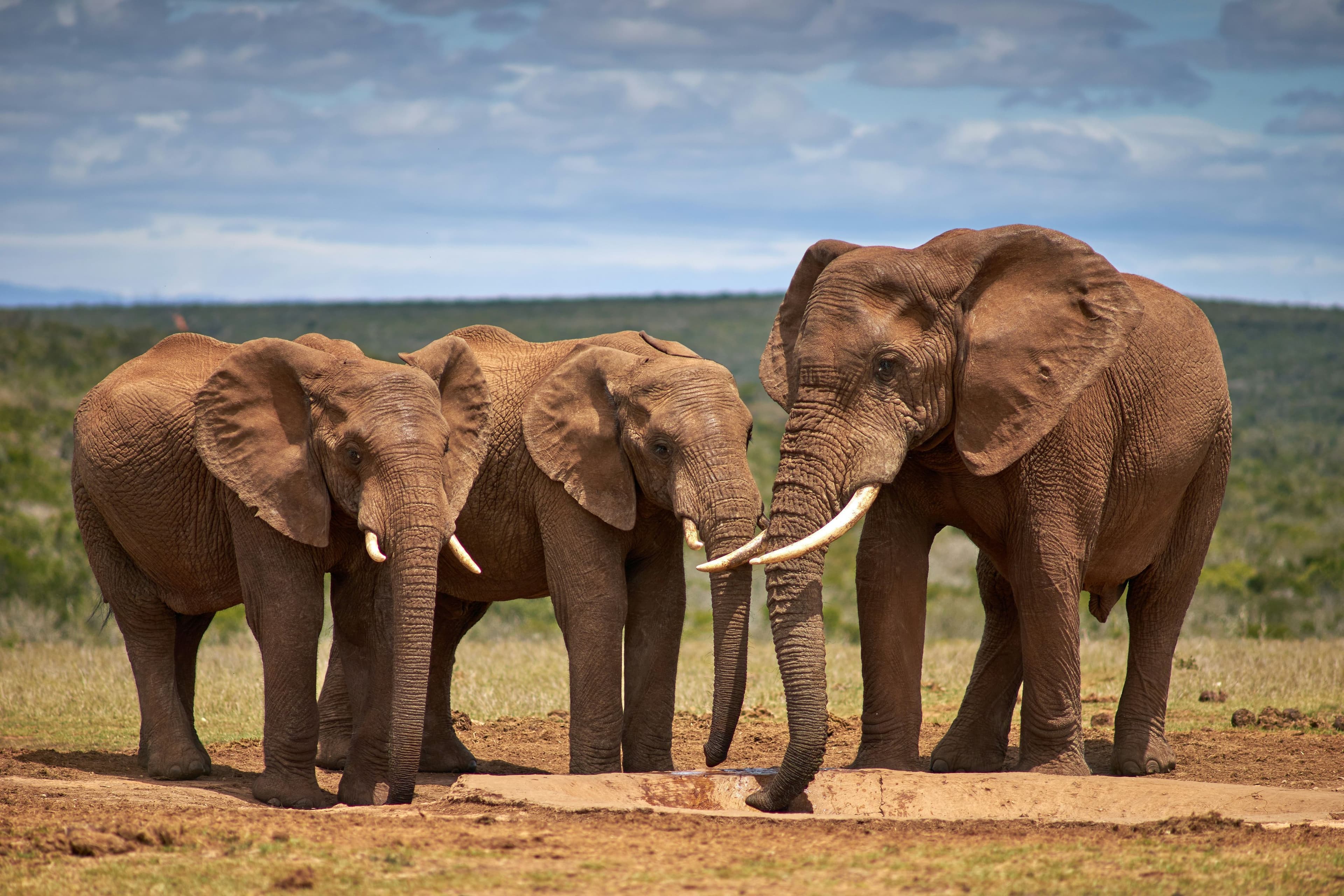
Remarkable Physical Features
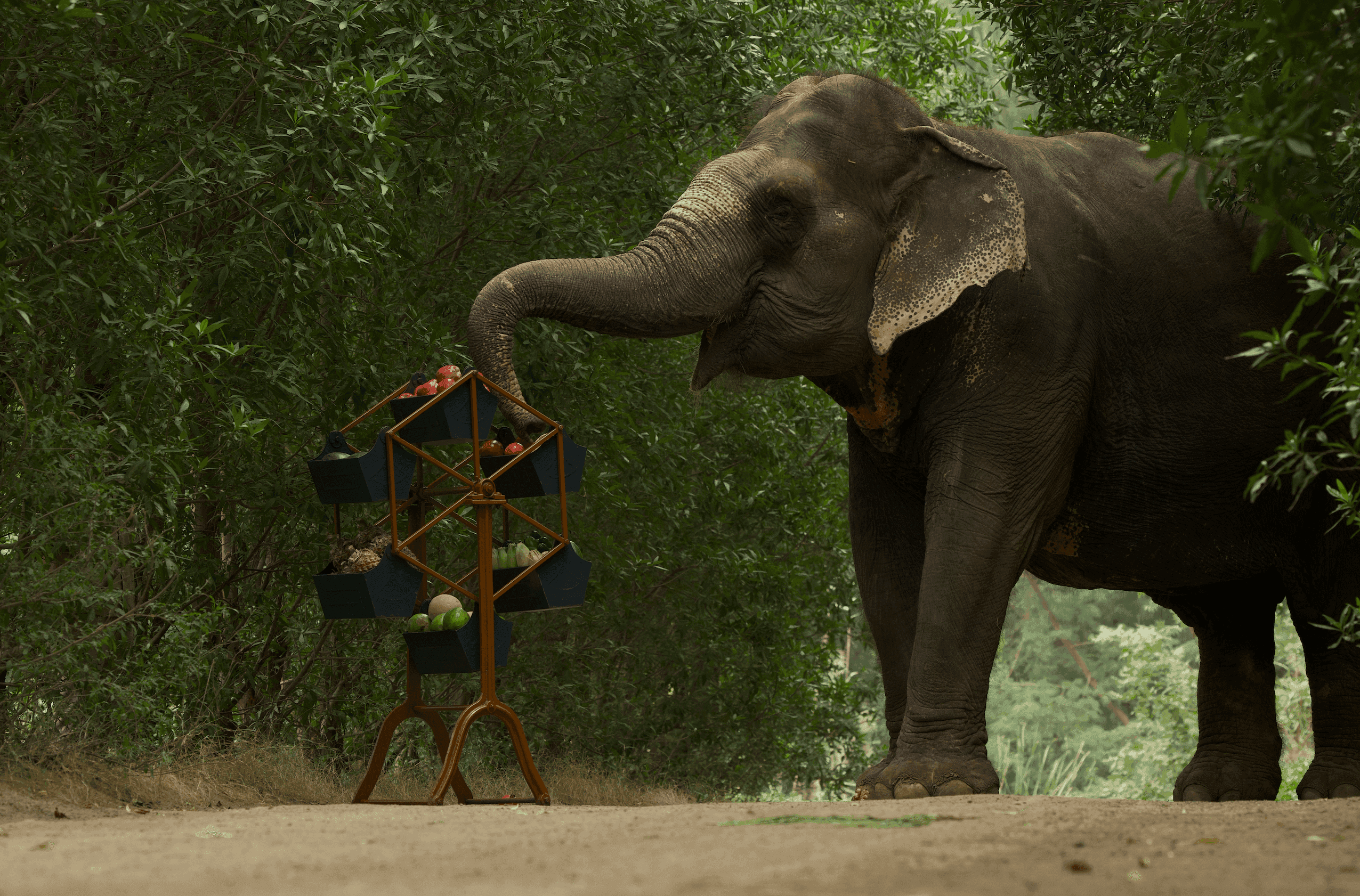
Extraordinary Intelligence and Problem-Solving
The saying “an elephant never forgets” is particularly true for Asian elephants. They have excellent long-term memory and can remember distant watering holes and migration routes even after many years.
Asian elephants are the largest land animals in Asia, second only to African bush elephants worldwide. They possess distinctive anatomical features that set them apart from their African cousins. Most notably, they have only a single fingerlike tip on their trunk, while African elephants have two.
Asian elephants rank among the most cognitively advanced land mammals. They demonstrate sophisticated cognitive abilities including self-recognition, insightful problem-solving, and cooperation.
Gallery
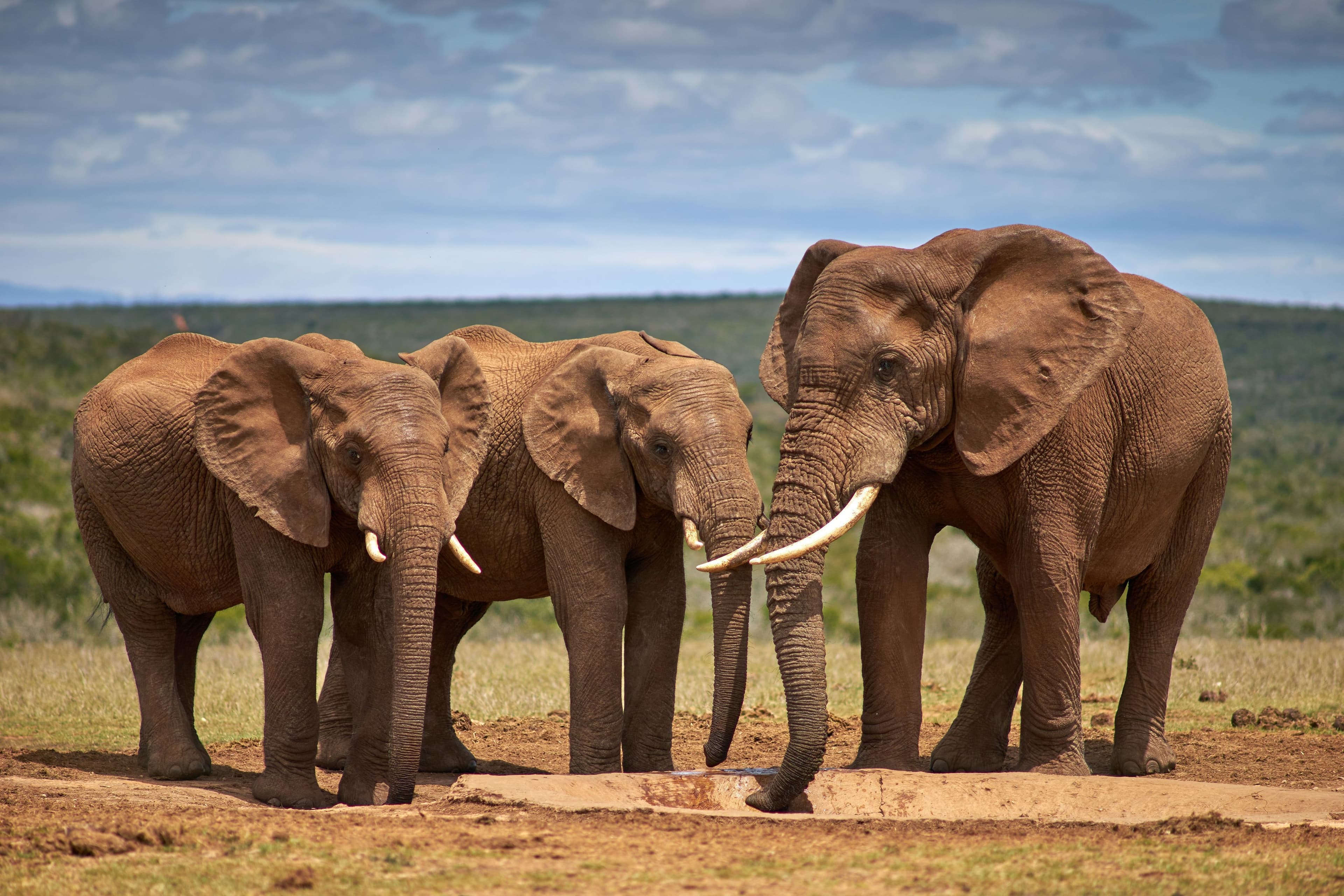
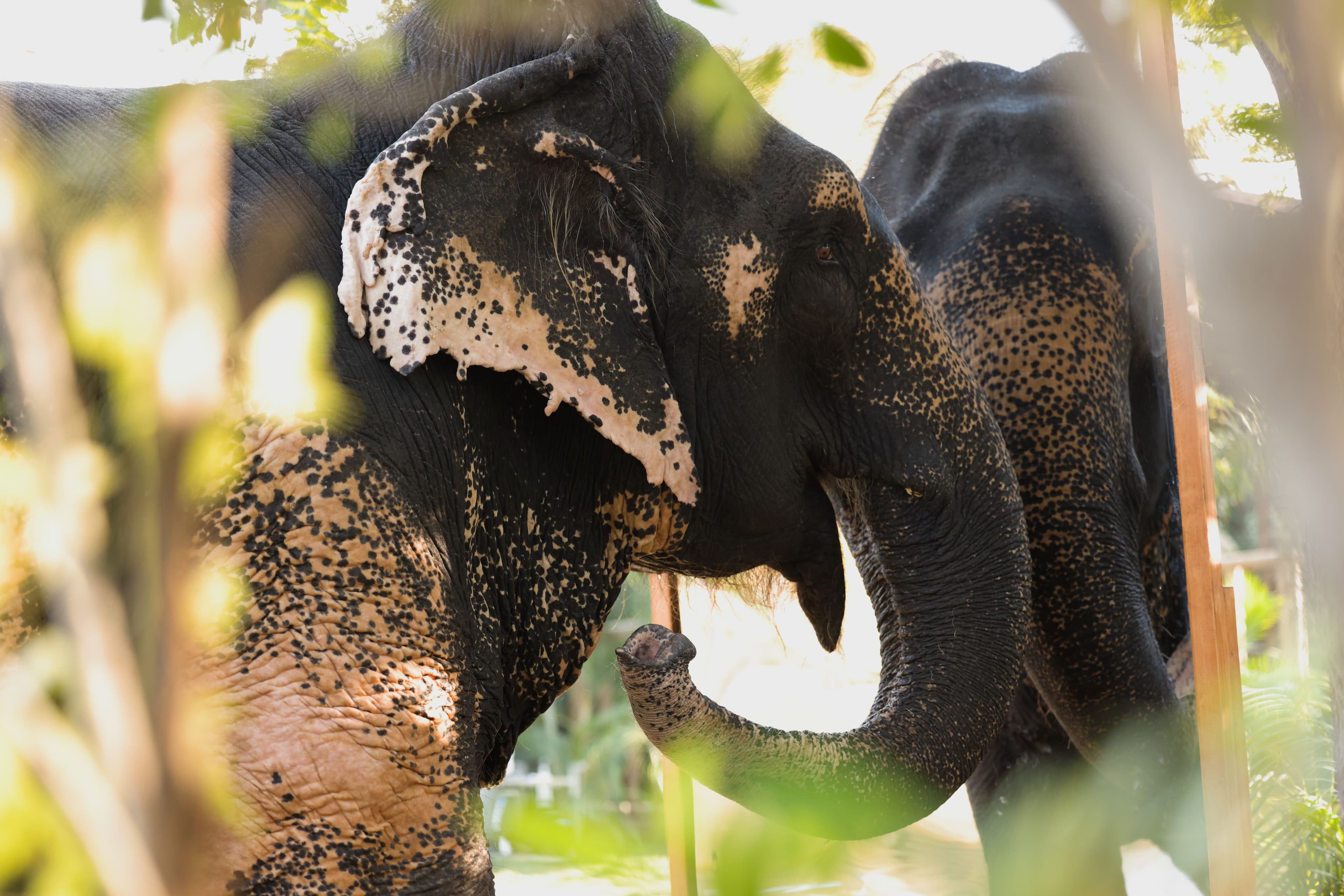
The elephants are spending time sheltered from the sun2
The elephants are spending time sheltered from the sun


Truth or Myth? Test Yourself!
Step into a game where facts and fiction collide—and discover surprising truths about elephants!
References & Further Reading
[1] Jorge Ortega, Lori Eggert, Sukumar, R. 2003. The Living Elephants: Evolutionary Ecology, Behavior, and Conservation. Oxford University Press, New York, 478 pp. ISBN 0-19-510778-0, price (hardbound), $74.50, Journal of Mammalogy, Volume 85, Issue 3, June 2004, Pages 581–582.
[2] Ling, L. E., Ariffin, M., & Abd Manaf, L. (2016). Threats to the Conservation of Asian Elephants: A review study. Journal of Governance and Development (JGD), 12(1), 123-139.
[3] de Silva, S., Wu, T., Thieme, A., Johnson, J., Nyhus, P., Wadey, J., ... & Leimgruber, P. (2020). The past, present and future of elephant landscapes in Asia. bioRxiv, 2020-04.
[4] Fernando, P., Jayewardene, J., Prasad, T., Hendavitharana, W., & Pastorini, J. (2011). Current status of Asian elephants in Sri Lanka. Gajah, 35, 93-103.
[5] Leimgruber, P., Gagnon, J. B., Wemmer, C., Kelly, D. S., Songer, M. A., & Selig, E. R. (2003). Fragmentation of Asia's remaining wildlands: implications for Asian elephant conservation. Animal conservation, 6(4), 347-359.