General Articles
Feb 28, 2025

Have a question, idea, or wish to help animals in need? Get in touch and be part of our mission — because every life matters.
Let's Talk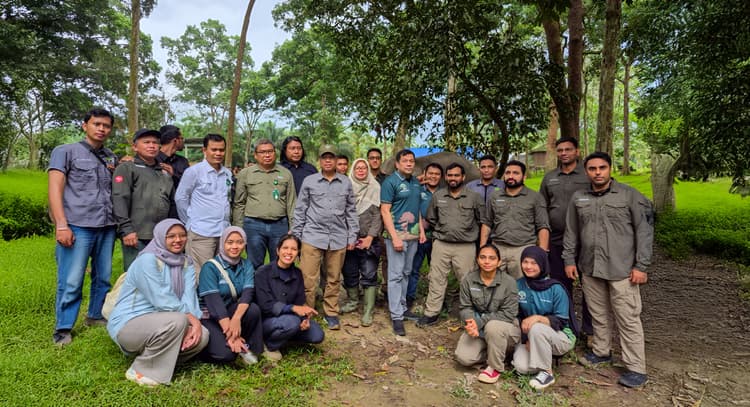
Media
Dec 23, 2025
Indonesia Engages Vantara’s Expertise to Curb Elephant Deaths from EEHV
Vantara is providing technical expertise to support Indonesia’s Ministry of Forestry (Kementerian Kehutanan) in its efforts to curb deaths among Sumatran elephants (Elephas maximus sumatranus) caused by Elephant Endotheliotropic Herpesvirus (EEHV). EEHV
Media
Nov 24, 2025
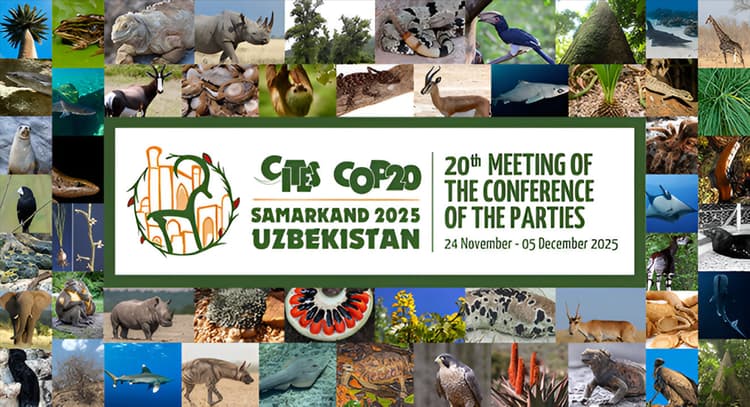
CITES affirms Vantara as a Lawful Global Hub of Conservation Excellence for Wildlife
At the Twentieth Meeting of the Conference of the Parties to CITES, the Standing Committee and an overwhelming majority of member nations delivered a decisive endorsement of India’s position, confirming that there exists no evidence or grounds to pursue any measures against the country with respect to animal imports.
Research Papers
Nov 17, 2025
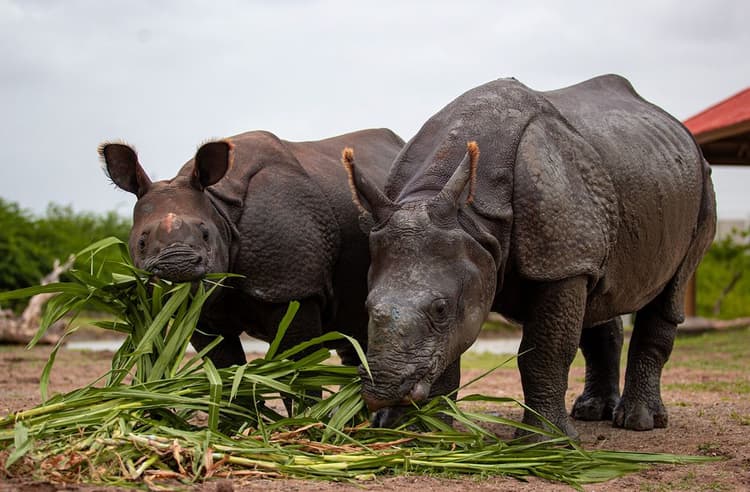
Assessing the contribution of Indian zoos to achieving international biodiversity conservation goals
This study evaluates the role of 23 Indian zoos recognized by the Central Zoo Authority, testing empirically grounded hypotheses that link institutional characteristics such as zoo size, designated green area, captive species diversity, and visitor numbers with their contribution to biodiversity outcomes.
Research Papers
Nov 3, 2025
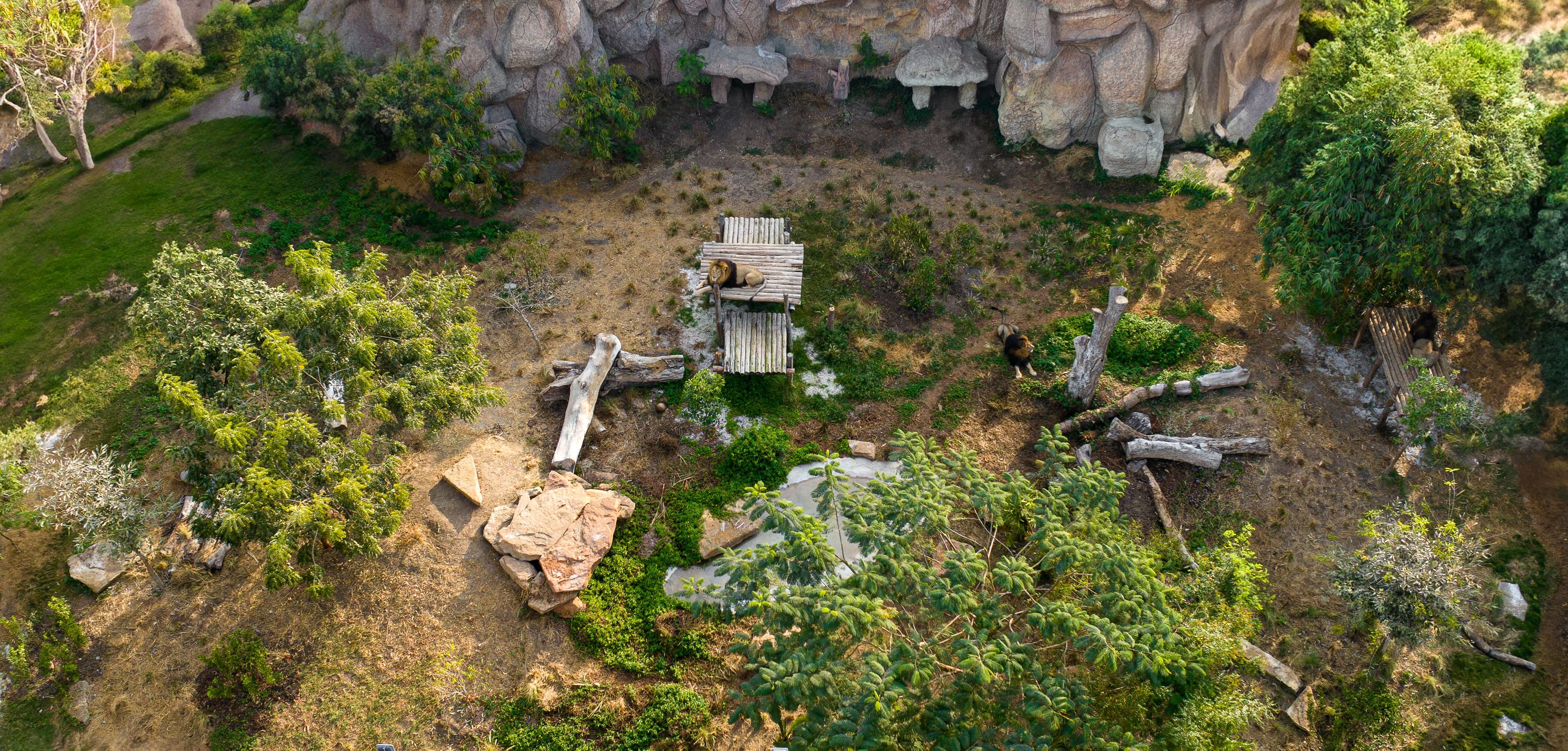
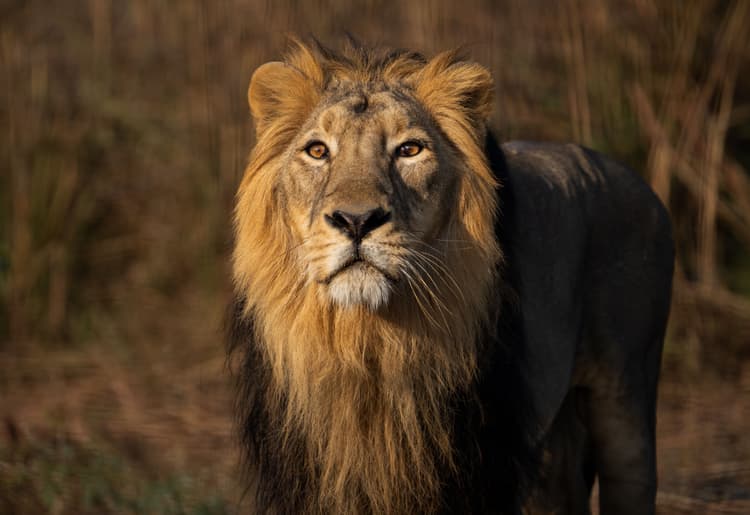
Effects of enclosure complexity and visitor presence on the welfare of Asiatic lions.
In recent years, there has been much research into the individual effects of enclosure complexity and visitor presence on captive animal welfare. However, the inter-linkages between enclosure complexity and visitor presence and their combined influence on the welfare of large carnivores like Asiatic lions (Panthera leo persica) remains poorly understood. We compared the welfare status of 41 Asiatic lions housed in three types of enclosure, viz., off-display (N = 17), zoo-safari (N = 4), and on-display (N = 2) at Sakkarbaug zoological park. We scored enclosures based on their species-appropriateness of their design and levels of exposure to visitors. To measure the welfare impacts, we recorded the behaviour patterns of captive Asiatic lions between March 2015- January 2016, spanning 30 observation days per animal. We recorded both positive and negative welfare markers for study subjects, viz., behaviour diversity, spread of participation index, along with measures of stereotypy, and the activity budget of the study subjects. Zoo-safari and off-display enclosures were more featurerich and species-appropriate than the on-display enclosures. On-display enclosures had significantly higher levels of visitor presence as compared to zoo-safari enclosures, while the off-display enclosures had no visitors. Zoosafari and off-display enclosures accorded captive Asiatic lions sufficient withdrawal areas, which was unavailable at the on-display enclosures. Subjects housed at off-display and zoo-safari enclosures had similar behaviour patterns and welfare indices (species-typical behaviour diversity, enclosure usage patterns, and aberrant repetitive behaviours). In contrast, the behavioural welfare indices differed significantly across visitor levels in the low-complexity on-display enclosures. Animals housed in high complexity enclosures with minimal (zoo-safari) or no visitor presence (off-display) display overall better levels of positive welfare markers(behaviour diversity and uniform enclosure usage) than animals housed in low complexity enclosures with high visitor presence. Therefore, Asiatic lions housed in poorly designed on-display enclosures do not have access to the complex, feature-rich, large enclosures available to their conspecifics housed in the off-display and zoo-safari enclosures. Our results indicate that enclosure complexity is the most important factor affecting most of the welfare markers recorded in this study, while visitor presence primarily affected enclosure usage. Our findings showcase the importance of enclosure complexity and novelty in preventing and offsetting the repercussions of captivity and visitor presence in Asiatic lions.
General Articles
Nov 3, 2025
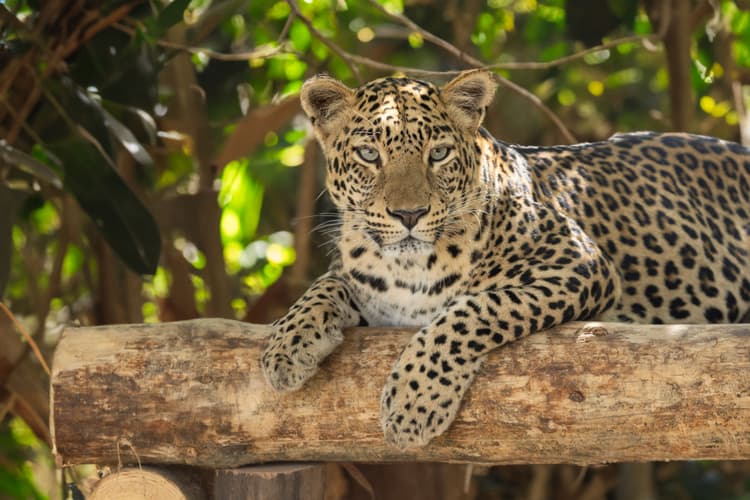
Correlation of Vaginal Cytology, Estrous Behaviour and Faecal Hormone for Assessment of Reproductive Health Status in Captive Common Leopard
Correlation of Vaginal Cytology, Estrous Behaviour and Faecal Hormone for Assessment of Reproductive Health Status in Captive Common Leopard (Panthera pardus fusca).